Maxillofacial surgery
Pediatric Maxillofacial Surgery
Pediatric oral and maxillofacial surgery is an important area of care at Sirius-Dent Medical Centre in Odesa. Hundreds of children have already received timely professional treatment at our centre — from the correction of congenital conditions to the removal of impacted teeth and the suturing of lip lacerations.

What is pediatric oral and maxillofacial surgery?
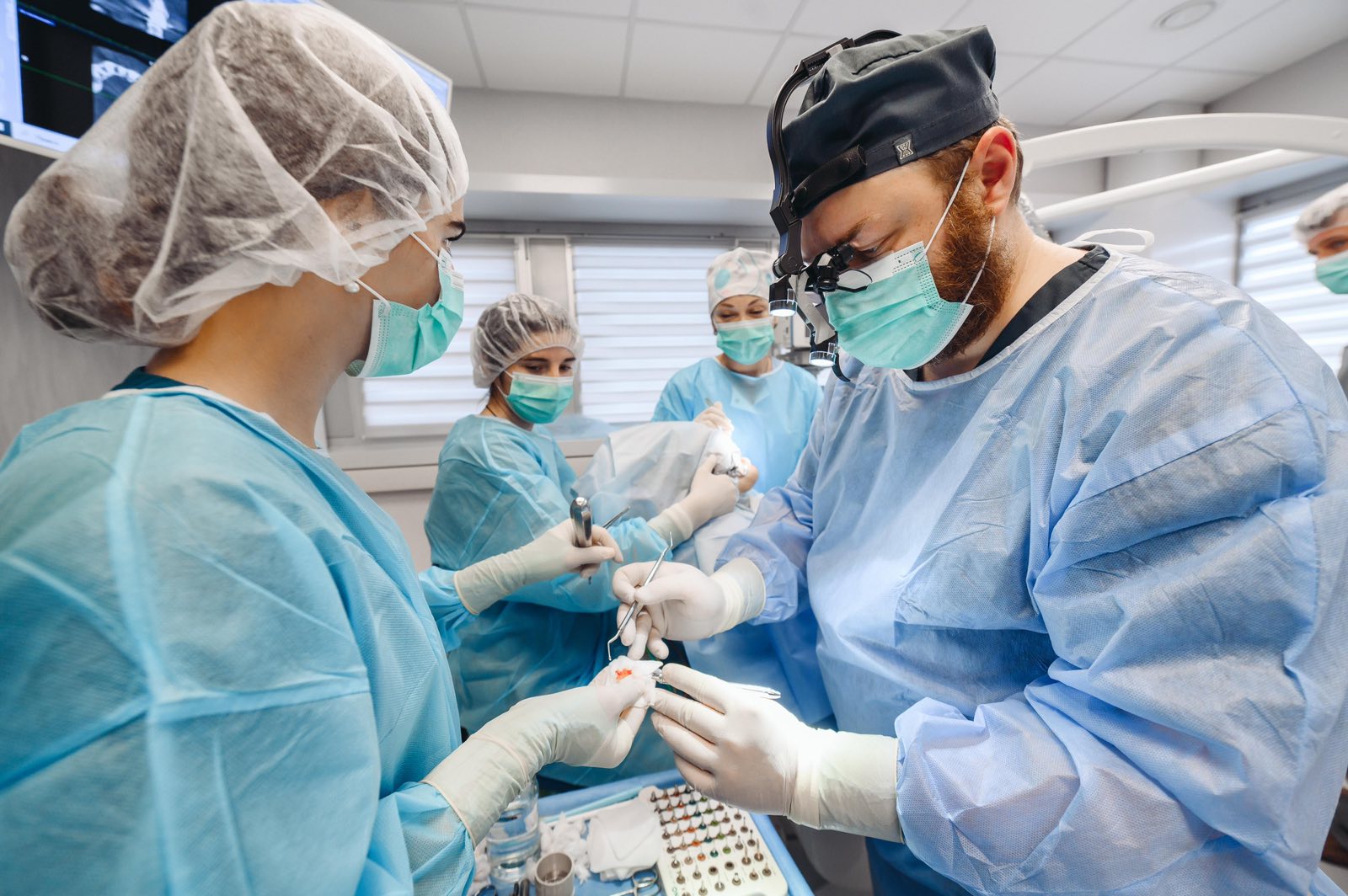
Pediatric oral and maxillofacial surgery is separate from adult care because children have specific clinical needs. First, congenital conditions such as cleft lip and palate are usually treated at an early age. Second, a child’s body is more reactive than an adult’s: pathological and inflammatory processes can progress much faster, although recovery is also usually quicker. Another important feature of paediatric oral and maxillofacial surgery is that procedures performed under sedation require a qualified pediatric anaesthetist with experience in treating children.
Pediatric oral and maxillofacial surgery at Sirius-Dent Medical Centre addresses a wide range of conditions:
- treatment of congenital conditions, including Pierre Robin sequence, cleft lip and palate, and prosthetic reconstruction when the external ear has not developed;
- labial or lingual frenuloplasty;
- treatment of facial injuries in children, including lacerations of the lips, forehead, and chin;
- removal of benign soft-tissue growths, such as lipomas and epithelial cysts;
- removal of jawbone cysts in the maxillofacial region;
- treatment of ectopic, impacted, and supernumerary teeth;
- treatment of sialadenitis.
Sirius-Dent Medical Centre for dentistry and oral and maxillofacial surgery in Odesa provides high-quality treatment that meets European standards. We offer a comprehensive approach, with modern equipment that enables us to perform procedures of varying complexity. Our doctors regularly train in EU countries, and our treatment protocols comply with international standards.
Our coordinated team includes surgeons, prosthodontists, and general dentists who can provide therapeutic care, perform surgery, and place crowns when necessary. An oral and maxillofacial surgeon can involve other specialists to help protect the child’s health and appearance. Two paediatric anaesthetists are regularly available, allowing us to admit children for urgent treatment when needed. We also have a paediatric inpatient unit for children who require hospitalisation and a paediatrician who can provide an on-site consultation and examination. Only a few medical centres in Ukraine offer this level of comprehensive care.
When should a child see an oral and maxillofacial surgeon?
A pediatrician monitors and examines a child from birth and determines whether consultations with other specialists, including an oral and maxillofacial surgeon, are required. Congenital conditions are often diagnosed while the child is still in the maternity hospital. In the event of an injury or visible external changes, parents or other adults accompanying the child may contact the surgeon directly.
The most common injuries in children involve soft-tissue damage, such as lacerations of the chin, forehead, or lips. Maxillofacial fractures are relatively uncommon in children because their bones contain fewer mineral components and more organic compounds, making them less brittle than adult bones.
What happens if surgery is not performed?
If a cleft lip or palate is not corrected, it may later cause serious problems with the development of the facial bones, dentofacial and masticatory systems, and speech.
If a child is born without a fully developed external ear, the issue should ideally be addressed before the child starts school. Some families may try to conceal the difference with long hair or a particular head position. An alternative is to consult a specialist. At Sirius-Dent Medical Centre, implants can be placed to support a custom-made artificial ear created from specialised silicone and designed to look natural.
Even relatively minor maxillofacial injuries should be treated promptly. A wound can be dressed and the bleeding stopped while waiting for it to heal naturally, but this may leave a noticeable facial scar.
If these conditions are left untreated, visible differences may affect the child’s social adaptation and self-confidence. Starting school is an important transition for both children and parents. Children spend more time among their peers, find their place within a group, and learn how to interact with others. Whenever possible, issues that could prevent a child from feeling comfortable among classmates should be addressed beforehand. Conditions treated by a paediatric oral and maxillofacial surgeon should therefore be assessed promptly, preferably before the child starts school.
Diagnostic examinations before surgery
The surgeon and anaesthetist must assess the child’s condition and ensure that the procedure can be performed safely. This requires a series of examinations and laboratory tests.
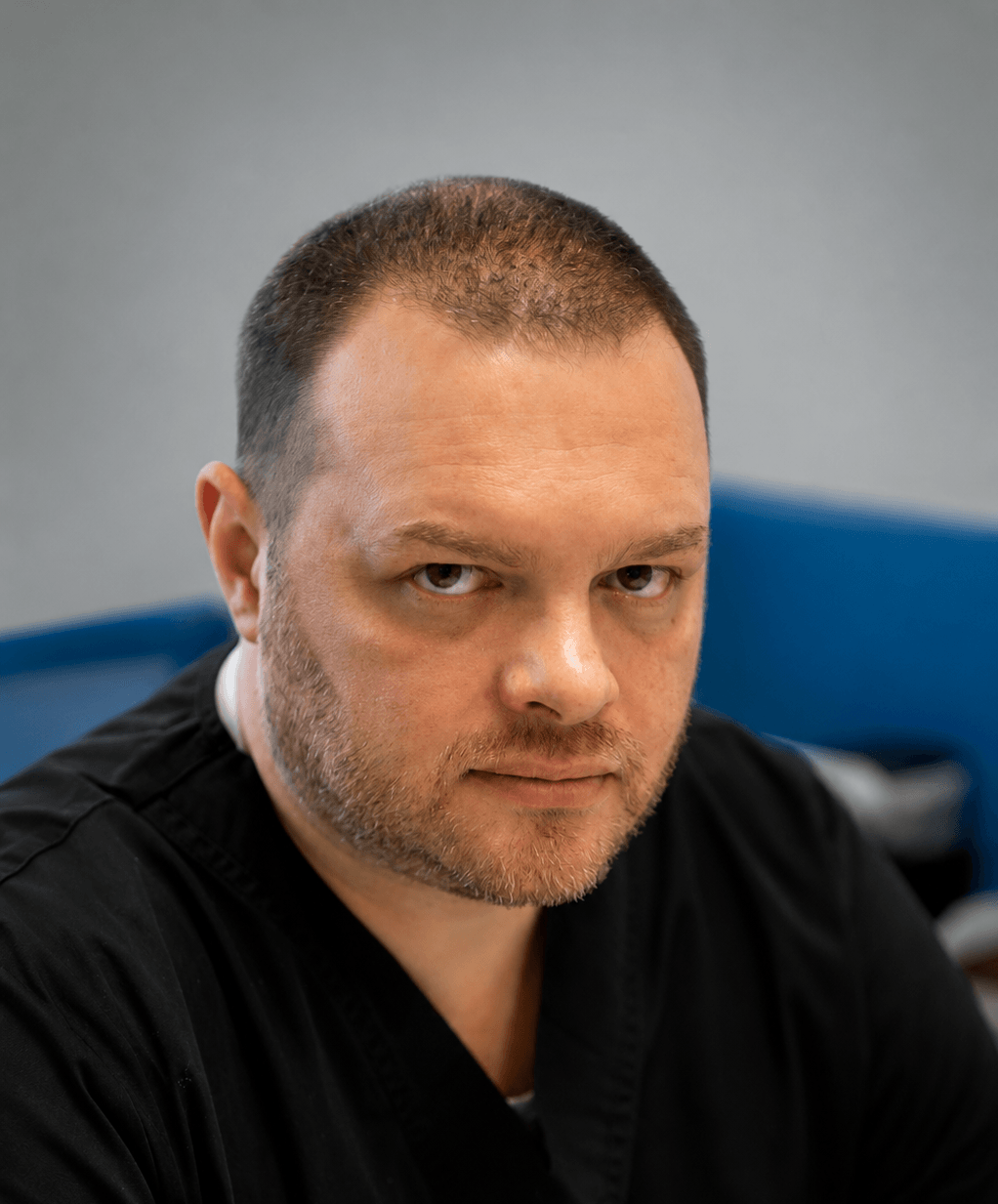
Procedures for patients under the age of 18 are usually performed by the chief physician of the medical centre, Denys Valkevych. His areas of expertise include the surgical correction of congenital and acquired conditions affecting the maxillofacial region in children. He supports the charitable organisation “Corporation of Monsters” and provides free treatment to two children with special needs every month. This may include either surgery or therapeutic dental care.
Our team has extensive experience managing highly complex cases. When necessary, we invite Volodymyr Kryklias, an experienced pediatric oral and maxillofacial surgeon, to participate in a multidisciplinary consultation.
If hospitalisation is not required, the child arrives at the medical centre on an empty stomach, having had nothing to drink for four hours and nothing to eat for six hours. After the procedure, the child remains in the observation room for up to one hour and can then return home. If hospitalisation is required, the child stays in the paediatric inpatient unit with one parent until discharge.
A procedure usually lasts from 30 minutes to 1.5–2 hours. When complex dental treatment is required, such as pulp removal from several teeth, treatment of dental caries, and placement of crowns, the total duration may increase to a maximum of 3.5 hours.
Oral and maxillofacial surgery in children
Each surgical procedure has its own specific features. Below are the main conditions treated by our oral and maxillofacial surgeons.
- Removal of supernumerary, ectopic, and impacted teeth
An impacted tooth is one that has been unable to erupt. An ectopic tooth is positioned incorrectly. An ectopic tooth may also be impacted if its position prevents it from erupting.
A supernumerary tooth develops when more tooth buds form than normal. These may include additional incisors or extra molars. They may erupt or remain impacted, interfering with the development and eruption of other teeth and potentially causing malocclusion.
Impacted wisdom teeth and supernumerary teeth are usually removed. However, if a tooth is needed to form a complete dental arch, close cooperation between a pediatric surgeon and an orthodontist is required. The specialists expose the tooth, bond an orthodontic attachment to it, and place braces that gradually guide the tooth out of the jawbone and into the correct position over several months.
- Early loss of the first permanent molar
Because a child’s jaw is still growing and the bite is still developing, a dental implant cannot yet be placed. The doctor must therefore choose between two approaches.
The first option involves long-term supportive prosthodontic treatment to preserve the space, promote bone development in the area of the missing tooth, and prevent jaw deformity and malocclusion. The second option is to remove the developing wisdom tooth and transplant it into the position of the missing first permanent molar. The transplanted tooth can then develop and erupt in place of the missing tooth. Even if it later develops defects and does not last a lifetime, this approach can help the child develop a properly formed jaw and bite.
- Treatment of a fractured tooth in a child
Dental fractures in children usually occur as a result of trauma. For example, a tooth may still need to remain in the mouth because its root has not yet resorbed, even though the crown has broken off. In this case, the dental surgeon removes the pulp, fills the root canal, reinforces the tooth with a glass-fibre post, and restores the missing crown using either composite material or a zirconia crown.
- Removal of primary teeth
If only 1–2 millimetres of a primary tooth root remain and the tooth is mobile, it may fall out naturally. However, primary teeth often need to be removed surgically—for example, if the root has not begun to resorb but periodontitis has already developed. This may require a complex procedure in which the tooth is sectioned and each root is removed separately.
- Removal of jawbone cysts in the maxillofacial region
Jawbone cysts in the maxillofacial region may be follicular or apical. An apical cyst that is not detected promptly – for example, one associated with a wisdom tooth—may grow to the size of one or two walnuts and occupy a substantial part of the jaw. After removal, a large cavity may remain in the bone, potentially leading to jaw deformity. The specialists at Sirius-Dent Medical Centre have extensive experience in successfully performing such procedures.
- Treatment of salivary gland inflammation in children
Surgery is usually indicated when calculi, or stones, are present in a salivary gland. In this situation, it may also be advisable to check whether stones are present elsewhere in the child’s body.
Sialadenitis may also develop after an injury, such as a blow or a bitten lip. If a small lump remains beneath the oral mucosa for two or three weeks, changing in size but not disappearing, it may be necessary not only to open and drain the affected gland but also to remove it and send the tissue for histological examination.
- Frenuloplasty of the tongue and upper lip
There are three main situations in which this procedure may be considered. Labial or lingual frenuloplasty is performed very rarely in newborns and only when medically necessary—for example, if the infant cannot feed properly and is therefore not gaining weight.
The second period is around the age of six, when the permanent central incisors erupt, the primary lateral incisors are shed, and other permanent teeth begin to emerge. Frenuloplasty may be performed at this stage so that the erupting lateral incisors help guide the central incisors together and close the diastema.
The third situation occurs when the frenulum is excessively prominent and forms a bony ridge beneath it, preventing the child from lifting the lip sufficiently to brush the teeth properly. In this case, surgery may be recommended before the age of six.
If a child with a short labial or lingual frenulum is already undergoing dental treatment under sedation, frenuloplasty may be performed during the same session to avoid the need for another procedure in the future.
- Treatment of Pierre Robin sequence and other complex conditions
Pierre Robin sequence is a congenital developmental condition characterised by a severely underdeveloped lower jaw and a cleft of the hard and soft palate. It is a complex condition that requires the coordinated work of several specialists. The team at Sirius-Dent Medical Centre accepts even complex cases in which treatment has been declined by other healthcare facilities.
Whatever condition requires the expertise of an oral and maxillofacial surgeon, you can receive professional care at Sirius-Dent Medical Centre.
When a visit to the dentist is fun
No matter how old a child is, fear and pain can be experienced at any age. Treatment while asleep helps avoid situations where a child becomes tired during an extensive medical procedure and then categorically refuses to visit the dentist again. We were among the first private dental clinics in Odesa to begin treating children under sedation, which allows us to take on even the most complex cases, including children with special needs. Their parents often come to us because they know we can help even when other medical centers refuse treatment.
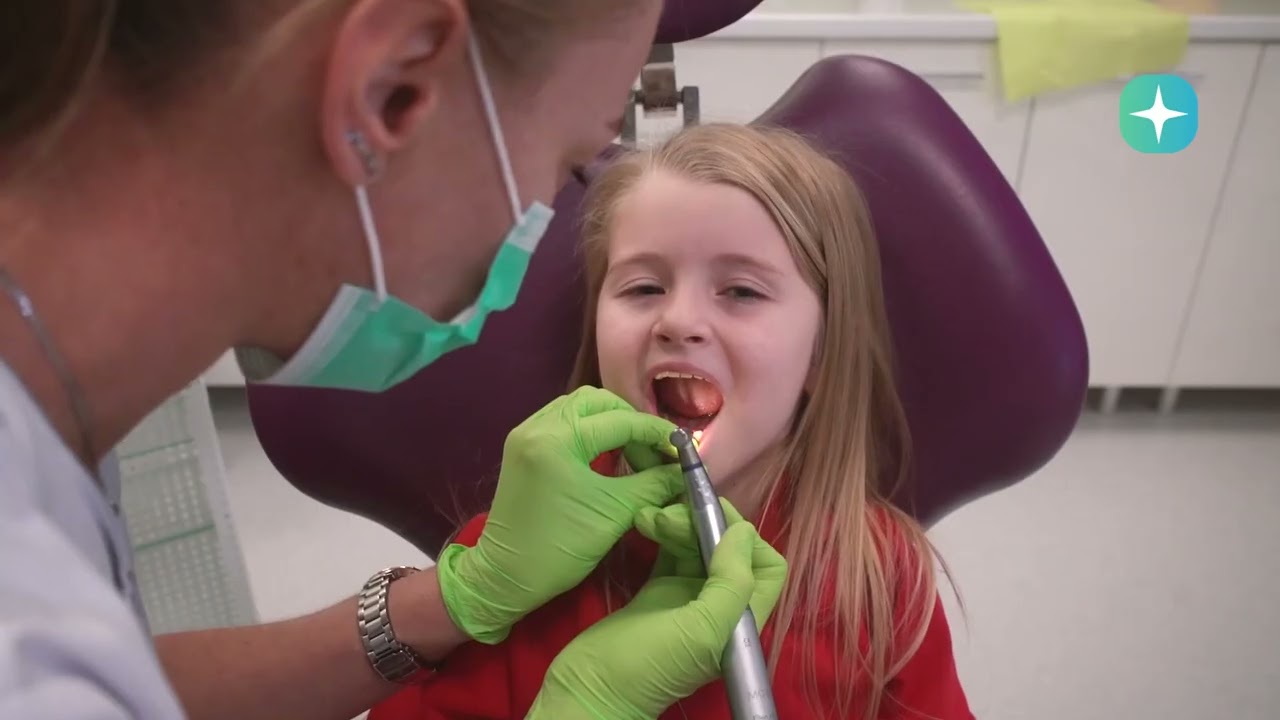
Dentist Olena Horova talks about pediatric care at Sirius-Dent


Maxillofacial surgery for young patients
Call our administrator to book a consultation at +38 (066) 125 86 31 or fill out the form on the website.

what is worth knowing
Why you should choose Sirius-Dent if your child needs the maxillofacial surgeon`s help
- Children are treated by the chief physician of the medical center, Denis Valkevych, who has more than 20 years of experience in maxillofacial surgery;
- We know how to find the right approach to each child so that they are not afraid of sedation or what is happening around them. Thanks to our experience, pediatric maxillofacial surgery is routine work for us;
- At Sirius-Dent, sedation for children is always administered by a pediatric anesthesiologist and critical care specialist;
- For planned procedures under sedation, we have a special “children’s day” dedicated exclusively to pediatric patients, when everything is arranged specifically for them. However, we can also admit a child for urgent treatment in an emergency.